
Quick Answer: Most patients begin with one XERF treatment and allow time for the skin’s collagen response to develop before deciding whether another session is needed. Results often become more noticeable over two to three months. Some patients may benefit from additional treatments, while maintenance may be considered around 12 to 18 months based on skin condition, treatment area, goals, and individual response.
How often to do XERF depends on your skin, the area being treated, and how much tightening you want. Some people may see a noticeable change after one treatment, while others may benefit from more than one session.
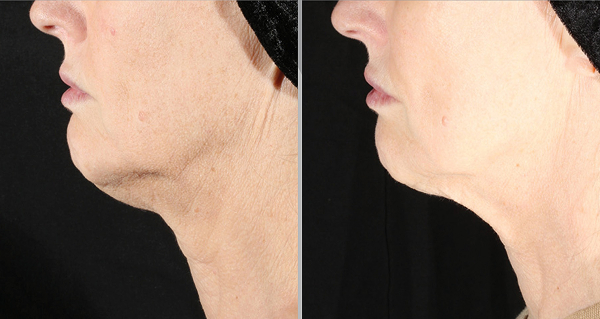
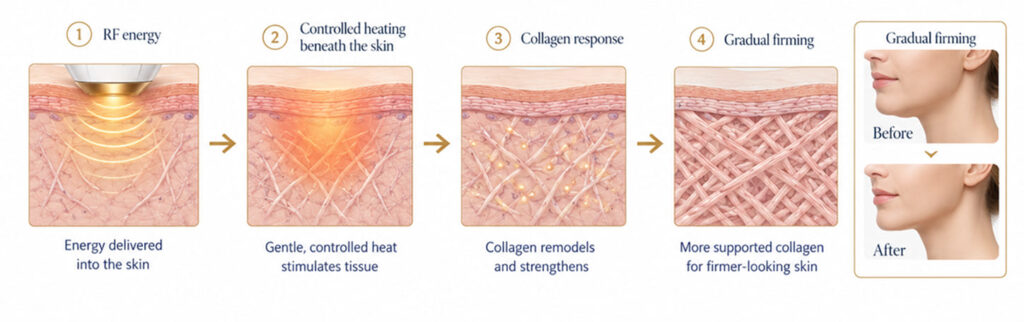
XERF works by sending controlled radiofrequency energy into different layers beneath the skin. This supports new collagen, the protein that helps keep skin firm and smooth. Because collagen develops gradually, your provider should allow time to evaluate your results before recommending another treatment.
Key Takeaways
- One XERF treatment may be enough for mild loose skin or early preventive care.
- Some patients need a short treatment series to reach their desired level of tightening.
- Results usually become more noticeable over the first two to three months.
- Maintenance may be considered around 12 to 18 months, depending on how your skin responds.
- Your age, skin condition, treatment area, lifestyle, and goals all affect your treatment schedule.
XERF Treatment Frequency at a Glance
| Treatment question | Quick answer |
| How often should you do XERF? | Many patients begin with one treatment and return for an assessment before scheduling another. |
| Is one treatment enough? | It may be enough for mild concerns, but some patients need a series. |
| When should results be reassessed? | Visible changes often continue developing for two to three months. |
| How often is maintenance needed? | Maintenance may be considered around 12 to 18 months, depending on your results. |
| Can you do XERF every month? | Not as a standard rule. Timing should be set by your provider. |
| What affects the schedule? | Skin looseness, age, treatment area, previous procedures, lifestyle, and goals. |
How Often Should You Do XERF?
Typical XERF Treatment Frequency
Many patients start with one XERF treatment. Your provider then watches how your skin responds before deciding whether another session would add a meaningful benefit.
Some people notice enough firming after the first session to move directly into maintenance. Others may need an additional treatment because they have more visible loose skin, are treating a larger area, or want a stronger level of correction.
There is no standard schedule that is right for every patient. XERF can be adjusted using different treatment depths and intensity levels, so both the treatment itself and the timing should be personalized.
Initial Treatments vs. Maintenance Treatments
Initial treatments are used to create the desired improvement. Maintenance treatments are used later to help preserve that improvement as the skin continues to age.
A simple treatment plan may look like this:
- Complete the first XERF treatment.
- Allow the collagen response to develop.
- Reassess the skin after the initial improvement period.
- Add another session only when it supports the patient’s goals.
- Move into a personalized maintenance schedule.
At Plenitude Medspa, current patient guidance notes that maintenance may be recommended around 12 to 18 months after treatment. The exact timing can be earlier or later based on age, skin quality, treatment area, and the number of sessions completed.
Is One XERF Treatment Enough?
When One Session May Be Enough
One treatment may be enough when you have mild loose skin and want a subtle, natural-looking improvement. It may also be appropriate when you are treating early jawline softening or using XERF as part of a preventive skin plan.
Good candidates for a single-treatment approach may include people who:
- Have mild skin looseness
- Want gradual rather than dramatic change
- Are treating a smaller area
- Still have a healthy natural collagen response
- Are comfortable waiting for the full result to develop
Even when one treatment is enough initially, the result is not permanent. Your skin will continue to age, so maintenance may still be useful later.
When Multiple Sessions May Be Recommended
More than one treatment may be recommended when you have moderate loose skin, are treating several areas, or want more visible tightening.
A series may also be considered when the first treatment produces improvement but does not fully reach your goal. The decision should be based on how your skin actually responds, not simply on the number of treatments included in a package.
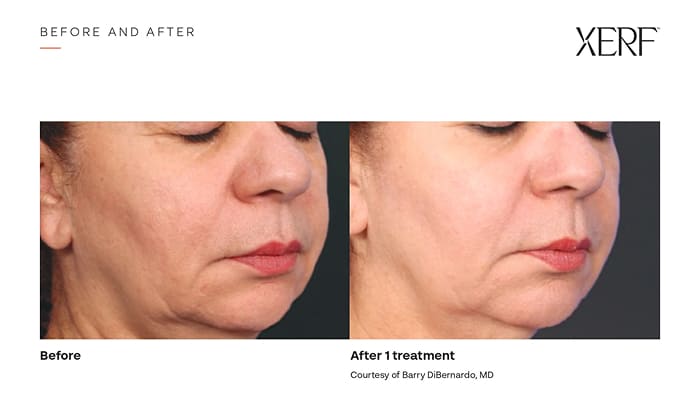
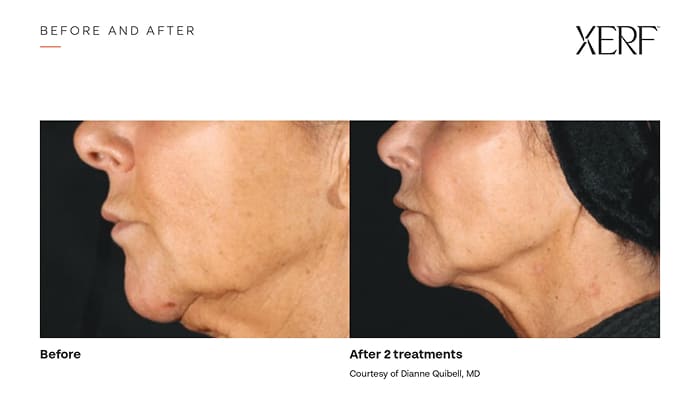
The official XERF materials show results after both one and multiple treatments, which supports the need for an individual plan rather than one fixed session count.

Ready for a schedule based on your skin instead of a generic calendar?
Schedule a consultation with our team.
How Long Should You Wait Between XERF Treatments?
For most patients, I recommend waiting about two to three months after the first XERF treatment before deciding whether another session is needed. This gives your skin time to produce new collagen and allows me to evaluate the more noticeable changes in firmness and contour.
You may feel some subtle tightness shortly after treatment, but that is not the final result. XERF works gradually, and the skin often continues to improve over the following weeks. Treating the area again too soon can make it difficult to determine how well your first session worked and whether another treatment would provide a meaningful benefit.
Your results may develop along this general timeline:
- Subtle firmness shortly after treatment
- Early visible changes within four to eight weeks
- More noticeable improvement around two to three months
- A maintenance assessment later as the results gradually begin to fade
At your follow-up visit, I look at your skin firmness, jawline definition, treatment photos, and overall response. I then determine whether you would benefit from another session or whether it makes more sense to move into a maintenance plan.
When XERF is part of a planned treatment series, I may recommend a different interval based on the area being treated, the amount of skin looseness, the settings used, and your personal goals.
How Often to Do XERF Based on Skin Laxity
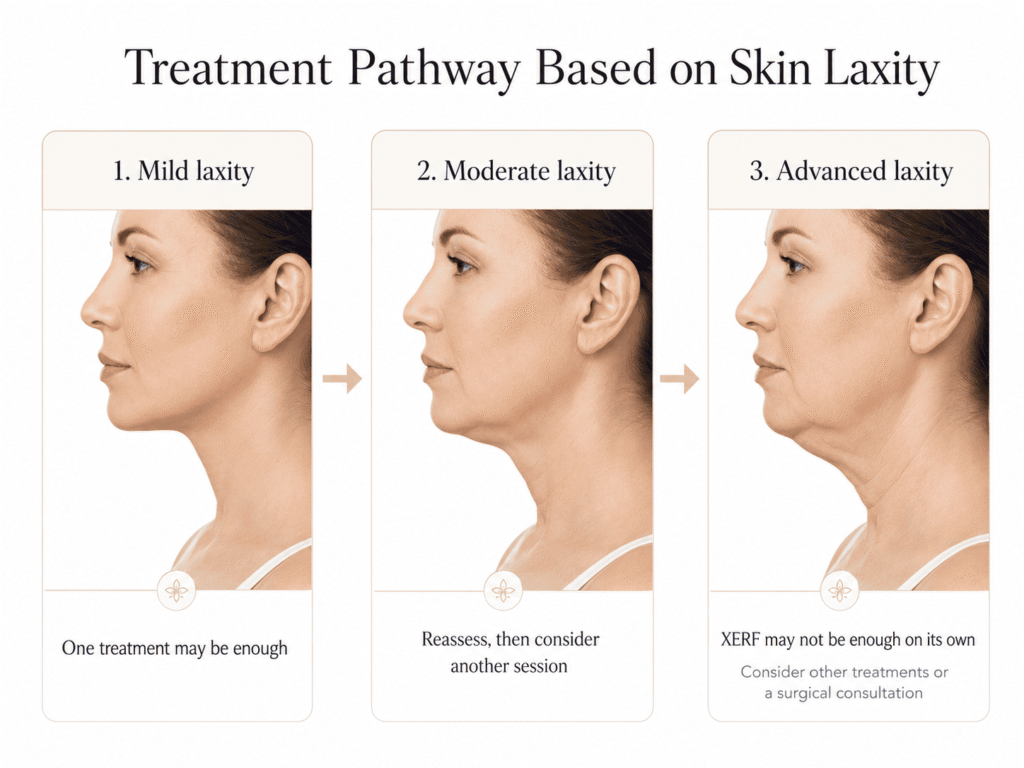
When I recommend a XERF schedule, the amount of skin laxity is one of the main factors I consider:
- Mild laxity: One treatment may be enough for early jawline softening, mild cheek looseness, or fine crepey skin.
- Moderate laxity: More than one session may be appropriate, depending on how your skin responds to the first treatment.
- Advanced laxity: XERF may not provide enough lifting on its own. In these cases, I may recommend another treatment option or a surgical consultation.
How Often to Do XERF by Age
Age can affect collagen production, but it should not be used as the only way to choose a schedule. Two people of the same age can have very different skin.

XERF in Your 20s
Most people in their 20s do not need frequent skin-tightening treatments. XERF may be considered for early prevention, genetic looseness, or changes related to weight loss.
When treatment is appropriate, one session followed by a later reassessment may be enough. Frequent sessions should not be recommended simply because someone wants to prevent aging.

XERF in Your 30s
During the 30s, some people begin to notice less firmness around the cheeks or jawline. A single treatment may be appropriate for mild changes.
Your provider should look at your actual skin rather than automatically recommending a series based on age. Maintenance may be considered later if the result begins to fade.

XERF in Your 40s
In the 40s, changes around the jawline, lower face, and neck may become more visible. Some patients may still do well with one session, while others may benefit from an additional treatment.
The decision depends on skin thickness, sun exposure, weight changes, and the level of correction you want.

XERF in Your 50s and Beyond
Patients in their 50s and beyond may have a slower collagen response or more visible loose skin. A short series may be considered, but more sessions do not guarantee a surgical level of lifting.
The most important step is determining whether XERF can realistically provide the improvement you want. Your provider may also discuss other treatments when skin looseness, texture, volume loss, or pigmentation need to be addressed separately.
Not sure which age-based advice applies to you? A skin assessment provides a more useful answer than your birth year alone.
Does the Treatment Area Affect XERF Frequency?
Yes. The treatment area can affect how many XERF sessions I recommend.
Mild concerns on the face, jawline, or neck may respond well to one session. Larger body areas, such as the abdomen, arms, or thighs, may need a different plan because the skin is thicker and the treatment area is larger.
I evaluate each area separately based on skin condition, size, and treatment goals.
Factors That Affect How Often You May Need XERF
When I recommend a XERF schedule, I consider:
- Skin laxity: Mild looseness may need fewer treatments, while more advanced laxity may require a different approach.
- Age and collagen response: Age matters, but genetics, hormones, health, and sun exposure also affect how your skin responds.
- Skin condition and treatment area: Skin thickness, firmness, texture, and the size of the area can influence session count.
- Lifestyle habits: Sun exposure, smoking, weight changes, poor sleep, and inconsistent skincare may shorten how long results last.
- Treatment goals and history: Your goals and any previous lasers, fillers, radiofrequency treatments, or surgery help me choose the safest timing.
How Often Are XERF Maintenance Treatments Needed?
Maintenance is not automatically scheduled on the same date for everyone. It should be based on your skin and whether the original improvement is beginning to decrease.
Plenitude Medspa currently notes that many patients may consider maintenance around 12 to 18 months. Some people may return sooner, while others may maintain their result longer.
A maintenance visit does not always mean you need treatment that day. It can also be an assessment to decide whether your skin is still holding its firmness.
Signs You May Be Ready for Another Treatment
You may be ready for a maintenance assessment when you notice:
- Your jawline looks softer again
- Mild looseness is returning
- Your neck has less definition
- Your cheeks feel less firm
- The improvement from your first treatment is gradually fading
These changes should be gradual. A sudden change in your skin should be evaluated rather than assumed to be part of normal aging.

Why Choose Plenitude Medspa for XERF in Coral Gables, FL?
The provider performing your treatment is just as important as the device being used. XERF must be adjusted for your skin thickness, treatment area, comfort, and goals. At Plenitude Medspa, the focus is on personalized treatment planning, patient education, and natural-looking improvement.
- Personalized XERF planning: Your skin, facial structure, areas of concern, and treatment goals are reviewed before a session schedule is recommended.
- Experienced aesthetic leadership: Local coverage of Plenitude Medspa has highlighted more than 25 years of medical-aesthetics experience within its leadership team.
- XERF-focused care: The practice’s XERF service information is reviewed by a XERF specialist and explains both the treatment’s potential benefits and its limits.
- Advanced, adjustable technology: XERF uses two radiofrequency levels, multiple depth settings, and adjustable intensity levels to personalize treatment for different skin profiles.
- Award-recognized treatment technology: XERF was selected as a Harper’s Bazaar Pro Treatment 2025 winner. This recognition applies to the XERF technology, not to an individual provider or practice.
- Natural-looking treatment goals: The team focuses on gradual firming and realistic improvement rather than promising surgical results from a non-surgical procedure.
- Clear follow-up guidance: Your provider explains when to reassess your results, whether another session is appropriate, and when maintenance may be useful.
- Comfort and patient education: XERF is designed as a needle-free treatment with no required numbing and little to no downtime.
Plenitude Medspa welcomes patients from Coral Gables, Coconut Grove, South Miami, Brickell, Key Biscayne, Pinecrest, Downtown Miami, West Miami, and nearby communities.
Frequently Asked Questions
How often should you do XERF?
Many patients start with one treatment and have their results reassessed after the skin has had time to respond. Additional sessions and maintenance depend on your skin condition and goals.
How many XERF treatments do you need?
Some patients may see enough improvement after one session. Others may need more than one treatment for moderate loose skin or larger treatment areas.
How long should you wait between XERF sessions?
There is no single waiting period for every patient. Your provider should allow enough time to assess the collagen response before recommending another session.
Is one XERF treatment enough?
It can be enough for mild loose skin, early jawline changes, or preventive treatment. Patients with more visible concerns may need an additional session.
Can you do XERF every month?
Monthly treatment should not be treated as a standard rule. Some planned treatment series may use closer intervals, but only your provider should decide whether that schedule is appropriate.
How often should you schedule maintenance?
Maintenance may be considered around 12 to 18 months, although your schedule may be earlier or later depending on your skin and how long the improvement remains visible.
Does age affect XERF treatment frequency?
Age can affect how quickly the skin produces collagen, but your provider should also consider skin quality, sun exposure, health, treatment area, and the amount of loose skin.
Does the treatment area affect the number of sessions?
Yes. A small facial area may need a different plan than the neck, abdomen, arms, or thighs. Larger or thicker areas may require a different number of treatments.
Create Your XERF Treatment Plan at Plenitude Medspa
There is no perfect XERF schedule that applies to everyone. The right plan starts with evaluating your skin, completing the first treatment, and allowing enough time to see how your body responds.
Schedule a consultation with Plenitude Medspa in Coral Gables, FL, to receive a personalized XERF treatment and maintenance plan. Our team will explain what XERF can realistically improve, how many sessions may be appropriate, and when your results should be reassessed.
Contact Plenitude Medspa today to schedule your XERF consultation in Coral Gables, FL.
This article is for educational purposes and does not replace an evaluation or treatment recommendation from a qualified healthcare professional. Individual results vary.